Ready in the Wings: How Swings and Covers Keep Regional Dance Shows Alive
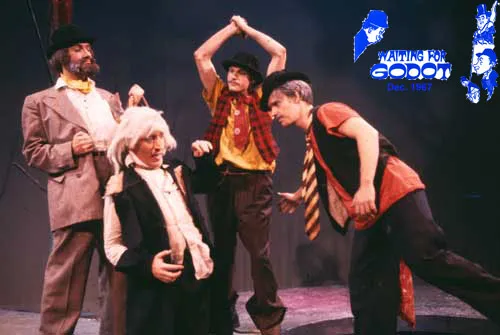
Photo: Otterbein University Theatre & Dance from USA, CC BY-SA 2.0, via Wikimedia Commons
Every regional dance production has a moment when the show almost falls apart. A principal rolls an ankle in warm-up. A ensemble dancer gets stuck in traffic two hours from the theater. A lead loses their voice or their nerve or their childcare. That is when the bench steps in. The swing who has been watching from the back of the studio. The cover who knows three tracks and has never once been listed in the program. The standby who has been rehearsing in the corners of a rented room, waiting for a chance that everyone hopes never comes.
Understudy culture is not glamorous. It is not the stuff of opening-night photos. But in 2026, as regional dance companies juggle tighter budgets, smaller casts, and more complicated schedules, the people who cover roles are holding the whole ecosystem together. They deserve more than a last-minute thank-you.
What a Swing Actually Does
The words get used loosely, so let us define them. An understudy usually learns one principal or featured role and goes on when that dancer cannot. A standby is often ready for a principal role and may not rehearse with the full company in the same way. A swing covers multiple ensemble tracks—sometimes three, four, or more—and has to slot into different formations without disrupting the choreography around them. In dance, that means knowing not just steps but traffic patterns, partnering cues, quick changes, and the tiny timing choices that keep a group number from looking like a rescue mission.
A good swing is a mapmaker. They build personal notes for every track: where to enter, where to stand, which hand a partner expects, when to breathe. They watch rehearsals with a different kind of focus than the dancers onstage. They are not just learning movement; they are learning the show's nervous system.
The Rehearsal They Do Not Always Get Paid For
Here is where regional production culture often gets uncomfortable. Understudies and swings are frequently expected to learn material on their own time, attend notes sessions, and stay ready without a clear pay structure for that readiness. A company may pay a small fee, a per-production stipend, or nothing beyond a comp ticket and a grateful hug. That is not a sustainable model.
Preparation for a cover is real labor. It includes video review, notation, private rehearsal, costume fittings, and checking in with stage management about spacing and safety. It also includes the mental load of knowing you might be called at 4 p.m. for a 7:30 show. That kind of readiness should be scheduled, compensated, and acknowledged in writing. Local companies do not need Broadway budgets to do better. They need clear expectations: how many covers are assigned, how many rehearsals are paid, what happens if a cover goes on, and how credit is handled in the program and on social media.
What Local Companies Owe the Bench
A healthy understudy system is not a favor to the dancers who fill it. It is a production strategy. Companies that treat covers as an afterthought are the ones most likely to panic when a cast member goes down. Companies that build cover work into the budget are the ones that can absorb a bad week without canceling a show.
The basics are not complicated. Pay for cover rehearsals. Give swings and understudies a real place in the schedule, not just a link to a video. Put them in the program when they go on, and list them as covers before opening night. Provide a private space to warm up and a clear point person for updates. If a cover goes on, compensate them for the performance and make sure the company communicates the change respectfully to the audience. Do not wait until the emergency to figure out the protocol.
Recognition matters too. A cover who goes on with two hours' notice is not a lesser version of the role. They are a dancer doing an extraordinarily difficult job under pressure. Say that in the curtain speech. Say it in the program. Say it to the donors. The message travels.
Why Understudy Culture Is Community Infrastructure
Regional dance scenes are built on a mix of contracted performers, teaching artists, students, and early-career dancers who move between shows. Understudy work is often how those dancers get in the room, learn a company's style, and build relationships with choreographers. It is a pipeline. When companies treat covers poorly, they narrow that pipeline. When they treat covers well, they create loyalty and resilience.
Audiences feel the difference, even if they do not know the terminology. A show with a prepared bench feels steady. A show without one feels fragile. The dancers onstage can take risks because they know someone is ready behind them. That is not a small thing. It is the difference between a company that survives a rough season and one that does not.
How Dance Fans Can Back the Bench
If you are in the audience, read the program all the way through. Learn the names of the swings and covers. When a cover goes on, give them the same attention you would give the principal—not a pity clap, but real applause. Do not ask backstage who was supposed to be in the role. Do not treat the substitution as gossip. Treat it as part of the craft.
If you are a dancer, talk openly about cover pay with your peers. Ask your company what the protocol is before you need it. If you are an organizer or director, put the bench in the budget line, not the emergency column. And if you are a longtime local audience member, support the companies that do this work well. The dancers you see onstage are only half the story. The other half is waiting in the wings, counting the music, ready to make the show go on.