The Invisible Choreography: Making a Crowded Social Floor Feel Like a Team Sport
Photo: Internet Archive Book Images, No restrictions, via Wikimedia Commons
On a packed Saturday social, the dancers who look most advanced are rarely the ones doing the biggest tricks. They’re the ones who never surprise anyone. They spot a backstep before it lands on a stranger’s heel. They leave a pocket of space near the pillar. They catch a partner’s eye and tilt a shoulder to say, “I’m moving left.” That’s floorcraft, and it is less a personality trait than a set of habits a scene can teach.
As 2026 winds down and studios pack their calendars with holiday socials, cyphers, and end-of-year drop-ins, the difference between a great night and a stressful one often comes down to this invisible choreography. Steps matter, sure. But so does knowing how to share the room.
The Gap Between Steps and Sharing Space
Most adult drop-in classes focus on patterns: the turn, the handhold, the footwork, the timing. Those are necessary. But a crowded floor asks a different question: can you make those patterns fit inside a moving, unpredictable room? That question gets answered by everyone at once—the couple in the corner, the beginner near the DJ booth, the advanced dancers traveling through the middle, the volunteer picking up a water bottle before it becomes a hazard.
In US social dance scenes, floorcraft is often learned by osmosis. New dancers watch, copy, and apologize when they bump into someone. That works until it doesn’t. A busy December social is not the ideal classroom for trial and error. Scenes that treat floorcraft as a teachable skill tend to have calmer rooms, fewer near-misses, and more first-timers who come back.
The good news: you don’t need a certification program or a stern lecture. You need a few clear habits, a little repetition, and organizers willing to name the culture they want.
Three Habits That Do Most of the Work
Start with less space. Dancers often travel more than the music requires, especially when they’re excited or nervous. Teaching dancers to shrink their patterns—compact turns, shorter traveling lines, no giant backsteps into unknown territory—solves a huge share of floor problems. A useful cue: “Dance in the box you can see, not the box you hope is empty.”
Next, move with the room. Every venue has a flow. Some floors run in loose circles. Some have a busy edge near the entrance. Some have a fast lane in the middle and a slower pocket by the windows. Dancers don’t need a universal traffic law, but they do need to read the room. Organizers can help by naming the flow at the door: where the high-traffic zones are, where beginners might want to start, and where bags and bottles should never land.
Finally, signal before you surprise. Floorcraft is full of tiny communications: a hand raised before a backstep, a partner’s gentle squeeze, a quick “coming through” when moving across the floor, eye contact before a traveling pattern. None of this has to be dramatic. It just has to be early enough for someone else to respond.
A Venue Map Is a Safety Tool
Before the next big night, walk the room like you’re planning a route. Where are the exits? The pillars? The blind corners? The DJ booth cables? The water station? The places where people tend to stop and chat? Put a simple map at the check-in table or post it near the door. Mark high-traffic zones, quiet corners, and the best place to leave bags.
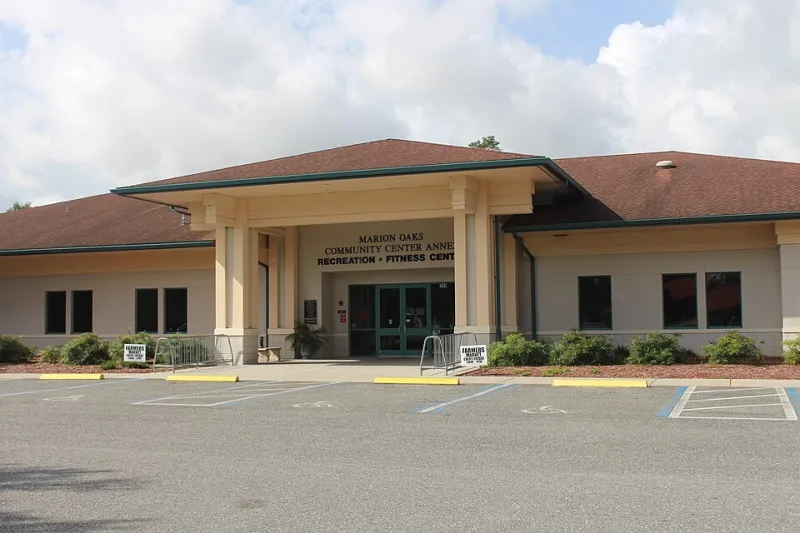
This is especially useful in community centers, VFW halls, church basements, and rented studios—the kind of spaces that host great socials but weren’t designed as ballrooms. A five-minute walk-through can turn a mystery layout into a shared plan.
Drills That Don’t Feel Like School
Floorcraft sticks when dancers practice it in motion. Try a few of these before a social or during a slow class night.
Four-Corner Traffic Circle: Have dancers walk the floor in loose lanes while music plays. Call out “switch” every few bars. The goal is smooth re-routing, not speed. No collisions, no panic.
The Shrinking Box: Partners dance one simple eight-count inside a progressively smaller imaginary box. If they travel out of it, they reset. This teaches compact movement and spatial awareness without a lecture.
Backstep Bingo: Practice a basic pattern with a backstep. Before each backstep, the leader checks over the shoulder and the follower keeps a hand ready to signal. Repeat until the check becomes automatic.
Signal and Receive: In pairs, one dancer gives a clear hand or shoulder signal. The other acknowledges with a nod or mirroring move. Then switch. The drill is about making signals readable before they’re urgent.
Freeze-and-Flow: Stop the music every minute or two. Dancers freeze, then calmly move to the edge or reset their spacing. It sounds silly, and that’s the point. Resetting should feel normal, not like a failure.
The Quiet Crew Keeping the Room Safe
Every healthy scene has people who do floorcraft work without calling it that. A volunteer at the door who notices the floor is getting slick. A floor monitor in a bright wristband who gently reminds dancers to keep drinks off the dance area. A host who checks that the beginner corner has enough room. A DJ who reads the crowd and doesn’t ramp the tempo when the floor is already crowded.
These roles don’t need to feel like security. They’re hospitality with a spatial brain. Give volunteers a clear job, a rotation, and a simple script: “Hey, just a heads-up—the back corner is getting tight. Can we shift this group toward the windows?” Most dancers appreciate the assist. The ones who don’t are usually the ones who needed it most.
Before the Next Big Night
Organizers can do a lot in twenty minutes: announce the floor plan, mark high-traffic zones, brief volunteers, run one traffic drill, and set a norm that resting at the edge is part of dancing, not a sign of weakness. Dancers can do their part by arriving early, watching the flow before jumping in, choosing the edge if they’re new, and keeping their bags out of the dance space.
Floorcraft is a verb. It’s the work of making room, reading the room, and trusting that everyone else is doing the same. When a scene teaches that, the floor doesn’t just get safer. It gets warmer—and that’s the kind of night people come back for.