CS Dance Move. Create. Connect.

CS Dance

Move. Create. Connect.

Latest Articles

The Invisible Choreography: Making a Crowded Social Floor Feel Like a Team Sport
Local Scene

The Invisible Choreography: Making a Crowded Social Floor Feel Like a Team Sport

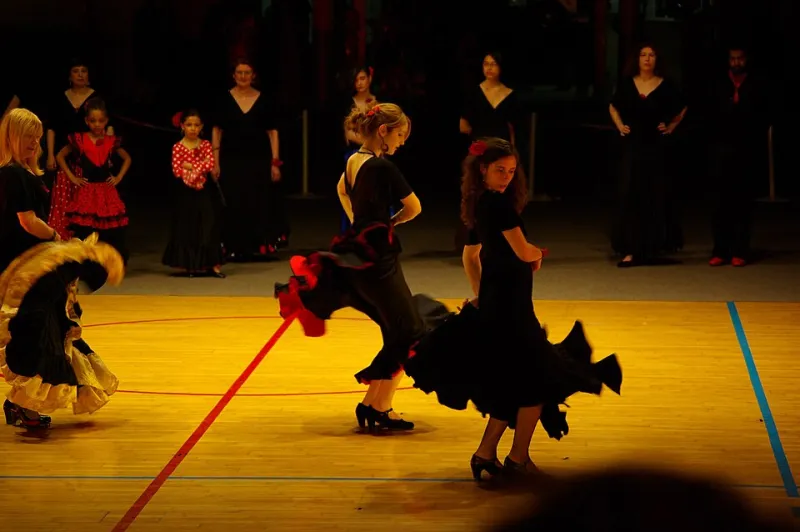
Most dancers learn steps before they learn how to share a packed floor, and the gap shows up fast at holiday socials, cyphers, and drop-in nights. Here’s how US scenes are teaching floorcraft as a shared safety skill, with practical drills, venue maps, and the quiet volunteers who keep the room moving.
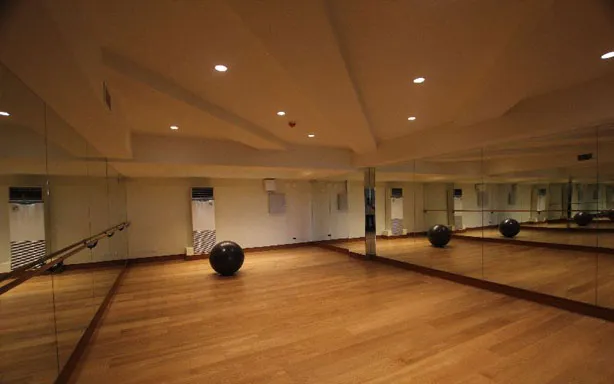
The 90-Second Doorway: A Solo Format for Dancers Who Freeze at “Improvise”
Technique & Training

The 90-Second Doorway: A Solo Format for Dancers Who Freeze at “Improvise”

For dancers who go blank when someone says “just improvise,” a 90-second solo can be a doorway rather than a spotlight. Here’s a practical format studios and social dance nights can run in 2026—complete with room setup, prompts, audience etiquette, and style-by-style adaptations.

Your Eyes Are a Muscle: Turning Dance-Watching Into Real Training
Technique & Training

Your Eyes Are a Muscle: Turning Dance-Watching Into Real Training

Most of us watch dance the way we watch TV — absorbing without asking questions. This practice flips that: four observation channels, a three-column notebook, and five weeks of prompts that turn time in the audience into cleaner technique and better choreography.

Quietly Built for Everyone: Neurodivergent-Friendly Fixes for the Weekly Dance Class
Studio Culture & Teaching

Quietly Built for Everyone: Neurodivergent-Friendly Fixes for the Weekly Dance Class

Small studio changes can make a weekly dance class feel safer for neurodivergent dancers without turning anyone into the center of attention. Here’s a practical, US-friendly guide to predictable routines, clearer cues, sensory choices, and low-key accommodations that help the whole room.

Trade You a Groove: The Five-Minute Skill Swap That Gets Every Style in the Same Room
Studio Culture & Teaching

Trade You a Groove: The Five-Minute Skill Swap That Gets Every Style in the Same Room

A ballet dancer and a house head have about ten minutes of usable overlap in a normal week. A skill-swap night stretches that into a whole evening. Here's the run-of-show, the ground rules, and the pairings that keep a mixed-style room generous instead of showy.

Second Act, Same Love: Building a Comeback Class That Doesn’t Feel Remedial
Studio Culture & Teaching

Second Act, Same Love: Building a Comeback Class That Doesn’t Feel Remedial

Adult dancers who once lived in a studio are looking for a way back in without starting from zero. Here is how studios can design returner classes that honor their history, lower the fear factor, and build a cohort that actually sticks in 2026.

The Hour Between Class and Carpool: Building an Open Practice Block That Doesn’t Turn Into a Secret Class
Studio Culture & Teaching

The Hour Between Class and Carpool: Building an Open Practice Block That Doesn’t Turn Into a Secret Class

Open practice blocks are filling the odd gaps in studio schedules—neither class nor rehearsal, just a room, a playlist, and a few shared rules. Here’s how to run one that gives dancers room to work without turning the host into a stealth teacher.

Low Stakes, High Warmth: The December Studio Night That Isn't a Recital
Studio Culture & Teaching

Low Stakes, High Warmth: The December Studio Night That Isn't a Recital

Across the U.S., studios are trading the holiday recital crunch for a looser December format: two hours of social dance, improv games, and short student showings. Here is a practical run-of-show that keeps first-timers comfortable and the production values refreshingly low.

The Commute Is the Warm-Up: A Desk-to-Dance Reset for Weeknight Classes
Technique & Training

The Commute Is the Warm-Up: A Desk-to-Dance Reset for Weeknight Classes

You don't need a full hour of mobility work to shake off a day at the keyboard. This compact reset bridges office posture and studio movement—no floor space, no costume change, no perfect conditions required. Here's how dancers with day jobs can arrive ready, and how teachers can meet them halfway.

Backstage, On Time: The Volunteer Role That Keeps Community Dance Shows From Spinning Out
Studio Culture & Teaching

Backstage, On Time: The Volunteer Role That Keeps Community Dance Shows From Spinning Out

Community dance productions are discovering that a dedicated backstage coordinator can be the difference between a calm show night and a dressing-room stampede. Here is what the role covers, how to brief a volunteer, and a clipboard-ready checklist producers can steal.

Ready in the Wings: How Swings and Covers Keep Regional Dance Shows Alive
Studio Culture & Teaching

Ready in the Wings: How Swings and Covers Keep Regional Dance Shows Alive

Understudies, swings, and covers are the quiet safety net of regional dance productions. Their work is technical, invisible, and too often unpaid—and it is exactly what keeps local companies resilient.

Beyond the Big City: Seven Small-Town Social Dance Scenes to Put on Your 2026 Map
Local Scene

Beyond the Big City: Seven Small-Town Social Dance Scenes to Put on Your 2026 Map

The best social dance floors are not always in major metros. These seven small-town scenes—from Cajun halls to contra basements—reward visitors who show up ready to dance, listen, and support the locals who keep the room alive.

Keep the Hook, Rebuild the Bridge: Turning Viral Choreo Into Real Technique
Technique & Training

Keep the Hook, Rebuild the Bridge: Turning Viral Choreo Into Real Technique

Trending routines pull new students through the door faster than any flyer ever did. The real work starts after the first eight-count — here's how instructors keep what makes a clip catchy while closing the gaps in musicality, safety, and foundation.

Eyes Off the Glass: Inside the Mirror-Free Studio Boom
Studio Culture & Teaching

Eyes Off the Glass: Inside the Mirror-Free Studio Boom

A growing number of US studios are covering the glass — or skipping it entirely — and rebuilding their teaching around video review, peer feedback, and sensation instead of self-checking. Here's what changes, what gets harder, and how to test it in your own room without a renovation loan.

Hangers, Hand-Me-Downs, and Handshakes: Building a Costume Closet Your Studio Actually Uses
Studio Culture & Teaching

Hangers, Hand-Me-Downs, and Handshakes: Building a Costume Closet Your Studio Actually Uses

Recital costumes get worn three times and then live in a garage bin forever. A growing number of US studios are fixing that with swap shelves, borrow-and-return racks, and a few unglamorous rules about sizing and hygiene. Here's how to build one that actually gets used.

Keys, Codes, and Load-In: A Field Guide to Booking a DIY Dance Space Without Blowing the Budget
Local Scene

Keys, Codes, and Load-In: A Field Guide to Booking a DIY Dance Space Without Blowing the Budget

Your showcase doesn't need a theater with a marquee. It needs a floor, a door, and someone who'll answer the phone in March. Here's the unglamorous checklist for locking down a room — from weekday rental rates to insurance certificates — without setting your budget on fire.

From First Class to First Name: Building an Adult-Beginner Welcome That Sticks
Local Scene

From First Class to First Name: Building an Adult-Beginner Welcome That Sticks

Adult beginners are not a seasonal promo. They are the next regulars in your local dance scene. This guide covers first-class rituals, buddy systems, welcoming language, and a realistic three-week pace that turns nervous drop-ins into familiar faces.

Counts, Cuts, and Caution: How Choreographers Are Testing AI Without Losing the Human Pulse
Studio Culture & Teaching

Counts, Cuts, and Caution: How Choreographers Are Testing AI Without Losing the Human Pulse

AI is showing up in US rehearsal rooms as a practical assistant for counts, formation maps, and music edits. The choreographers making it work are the ones drawing clear lines around consent, credit, and musicality before the first click track plays.

One Room, Two Speeds: How to Build a Drop-In Playlist That Serves First-Timers and Floor Veterans
Studio Culture & Teaching

One Room, Two Speeds: How to Build a Drop-In Playlist That Serves First-Timers and Floor Veterans

A mixed-level drop-in class lives or dies by its soundtrack. Here is a practical 2026 guide to BPM mapping, clean-version strategy, genre bridges, and the emotional arc that keeps absolute beginners and advanced dancers sharing the same floor without anyone feeling like the odd one out.

Concrete Cyphers: How Parking-Lot Practice Nights Are Reshaping Local Dance Scenes in 2026
Local Scene

Concrete Cyphers: How Parking-Lot Practice Nights Are Reshaping Local Dance Scenes in 2026

Outside strip malls and shuttered storefronts, US dancers are turning asphalt into a third space for pop-up cyphers, choreography swaps, and beginner-friendly jam circles. Here is how the parking-lot practice night works — and how to start one in your city without stepping on permits, safety, or community trust.