Backstage, On Time: The Volunteer Role That Keeps Community Dance Shows From Spinning Out
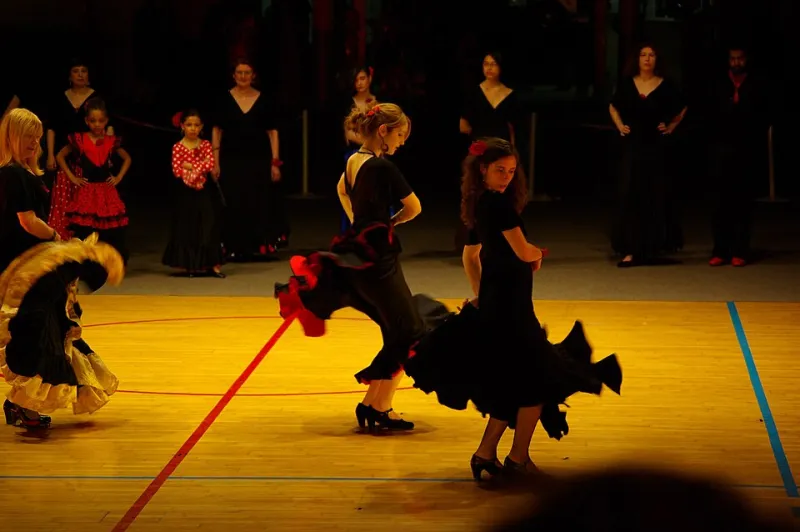
Photo: Syced, CC0, via Wikimedia Commons
At 6:47 p.m., the house is about to open, the youngest dancers are convinced their tap shoes have vanished, and the producer is answering three questions at once: Where is the opening number? Who has the headset? And why is a parent holding a tutu in the lobby? This is the moment community dance shows either find a rhythm or white-knuckle their way to curtain.
Increasingly, regional producers are solving that 6:47 p.m. problem with one specific volunteer: a backstage coordinator. Call it the dancer wrangler, the backstage lead, or the person with the clipboard and the good flashlight. The title matters less than the job: keeping performers calm, dressed, hydrated, and in the right wing at the right time.
The job is not stage managing
A stage manager runs the technical show. They call cues, talk to lighting, and keep the production moving from the booth. The backstage coordinator runs the human show. They are the single point of contact for dancers and dressing-room volunteers, which means entrance queues, quick-change prep, water bottle refills, and the delicate art of telling a nervous 9-year-old that yes, she does have time to use the bathroom before the ballet.
It sounds simple until you try it during a show with 74 dancers, four dressing rooms, and a hallway narrower than a subway aisle. The role works because it separates performer care from technical cue-calling. The stage manager does not have to field a question about hair spray while calling a light cue. The producer does not have to sprint between the lobby and the wing.
Why community shows feel the difference first
Community productions are their own ecosystem. You might have a retired dance teacher, a pack of high schoolers, three adults who take one class a week, and a parent volunteer who has never been backstage. Everyone is doing this for the love of it, which is wonderful and also a logistical puzzle.
That mix is exactly why the coordinator role pays off. In a professional house, union crews and established chains of command handle much of this. In a community show, the producer often is the chain of command, the ticket desk, and the person mopping the bathroom. A backstage coordinator gives everyone one clear person to ask.
How to recruit the right volunteer
You do not need a former professional stage manager, although if one is in your orbit, absolutely ask. The best coordinators tend to be calm, organized, and comfortable being gently bossy. They like lists. They do not panic when a shoe breaks. They can tell a joke to a nervous teenager and then immediately locate a missing prop.
Look in the parent corps, the adult ballet class, the local theater community, and among retired teachers. Ask scenario questions rather than just asking if they are organized: A dancer loses a costume piece four minutes before her number. What do you do? Two moms are arguing about the dressing-room mirror. How do you handle it? A child says she feels dizzy. What is your next step?
Make the ask concrete. One comp ticket, a meal, a quiet place to put their bag, and a clear start-and-end time go a long way. If your budget can handle a small stipend, do it, but many groups run this role entirely with volunteers. Treat it like a real job and people will treat it like a real commitment.
The briefing that prevents the 7 p.m. scramble
A coordinator should walk the space before show day, not during the first crisis. Show them the dressing rooms, the quick-change spots, the wing entrances, the water station, and the route from the bathroom to the stage. Give them a one-page rundown with the run order, the names of dressing-room leads, and the producer's cell number.
Most important: give them the authority to make small calls without asking. If a dancer needs to go to the bathroom and the number is three away, they should be able to say go. If a zipper breaks, they should know where the emergency kit lives. The producer sets the boundaries, and the coordinator keeps the flow inside them.
A show-night checklist that fits on a clipboard
- Confirm every dressing room has a labeled run order and a trusted adult lead.
- Check water bottles, snacks, and a quiet corner for overstimulated dancers.
- Put a quick-change kit in the wing: safety pins, clear tape, extra tights, scissors, stain wipes, and a lint roller.
- Walk the entrance route and clear bags, chairs, and cases from the path.
- Get a head count at the top of each act and confirm the next three numbers are in the wing.
- Set a quiet signal for "you are on in two" so no one has to shout over the music.
- Keep one runner free. That person's only job is moving messages and missing items.
- Check in with the stage manager five minutes before each act. Confirm cue timing and any hold.
- After the show, do a dressing-room sweep for costumes, shoes, and abandoned homework.
What producers say after making it permanent
Marisol Vega, who produces shows with Riverbend Dance Collective in Boise, Idaho, made the role permanent after one particularly chaotic spring concert. "We had a parent volunteer who basically became the backstage mayor," she says. "By the second night, dancers were asking for her instead of me. That was the goal. I could stay in the lobby and actually greet people."
In Asheville, North Carolina, community theater producer Dale Whitaker built the job into his annual dance showcase after watching a teen volunteer handle a quick-change emergency with a calm that impressed everyone. "She never touched a lighting cue," he says. "She just kept people moving and breathing. We now recruit for that skill on purpose."
Angela Ruiz, who works with a youth dance cooperative in Wichita, Kansas, says the role also protects dancers. "Kids do better when they know which adult to ask," she says. "They do not need five people giving five answers. One calm person with a clipboard is worth a lot of shouting."
The budget question
The role does not require a bigger production budget. It requires a decision. Write the job into your volunteer plan, assign it before tech week, and give the person a clear briefing. If you can offer a small stipend or a meal, great. If not, offer respect, a comp ticket, and a backup coordinator so no one is trapped backstage all night.
Community dance is built on people who show up for each other. The backstage coordinator is simply the person who makes sure they show up in the right wing, at the right time, with both shoes. That is not glamorous work. It is the work that lets everyone else feel glamorous.