Keys, Codes, and Load-In: A Field Guide to Booking a DIY Dance Space Without Blowing the Budget
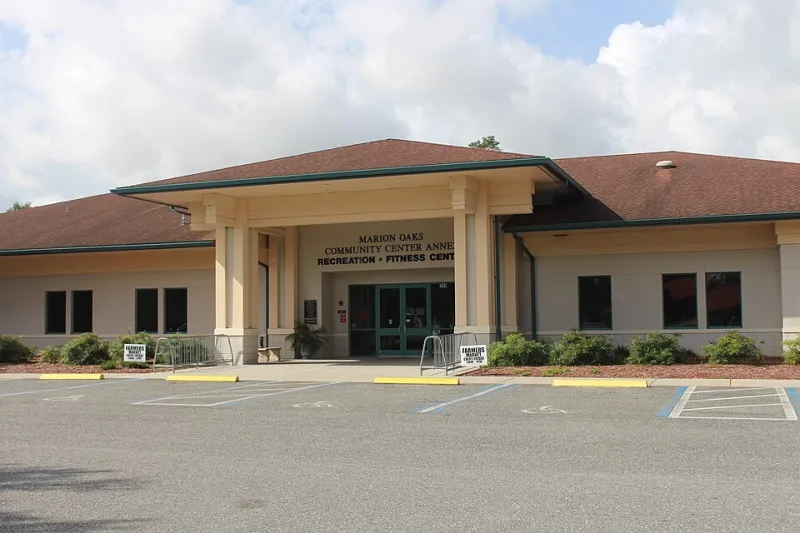
Photo: Michael Rivera, CC BY-SA 4.0, via Wikimedia Commons
Every scene organizer eventually has the same conversation. You've got twelve dancers, a set list, and a date circled on the calendar. What you don't have is a room.
The instinct is to chase the pretty spaces — the converted warehouse with the exposed brick, the black box theater with the perfect lighting grid. And sometimes that works out. But the people who run showcases, workshops, and cyphers season after season usually aren't booking the prettiest room. They're booking the room that answers the phone, fits the budget, and lets them load in without a fight.
This is the field guide version of that knowledge.
Start With the Calendar, Not the Room
Before you look at a single venue, know three numbers: your date, your realistic attendance, and your absolute ceiling for space costs. Not your hoped-for attendance — your realistic one. If you're planning a first showcase, that number is probably smaller than you think, and a room that's half full feels worse than a room that's packed.
Then work backward. Space cost should sit comfortably under a fifth of your total budget, because the room is never the only expense. Sound, insurance, staffing, marketing, and the small fortune you'll spend on gaffer tape all come out of the same pot.
Chase the Off-Nights
Weekday rentals are the single biggest discount in the business. A Tuesday or Wednesday evening at a community center can run a fraction of the same room on a Saturday. If your audience can swing a Thursday, you can often save enough to cover your whole sound setup.
Other phrases worth saying out loud on the phone:
- "Do you have a nonprofit or community rate?"
- "Is there a multi-day or rehearsal-add-on discount?"
- "Would you rather have a flat fee or a percentage of the door?"
- "What's the rate for a four-hour block instead of a full day?"
Ask all four. The worst answer is no.
Where the Rooms Actually Are
Parks and recreation departments rent halls, gyms, and multipurpose rooms, often with a published rate sheet and a straightforward application. School districts rent auditoriums and cafeterias, though the paperwork is heavier and the calendar tighter. Fraternal halls — Elks, VFW, American Legion — have real floors, real chairs, and reasonable rates, and many are actively looking for weeknight bookings. Churches and community centers are worth a call even if you assume they're booked. Dance studios themselves often rent floor time on dark evenings, and a studio mirror wall is a perfectly good backdrop for a showcase.
Rental marketplaces are useful for discovery, but treat the listings as a starting point. A phone call gets you details a listing never will.
The Sound-Limit Conversation
Ask about decibel limits before you fall in love with a space. A room with a hard 85 dB cap at the property line is a different creative proposition than an open warehouse, and you want to know that in week one, not at load-in.
Three questions cover most of it: Is there a noise ordinance or building limit, and what time does it kick in? Are there residential neighbors within earshot? And is there any history of complaints from previous renters? If the answers are fuzzy, ask for the limit in writing.
While you're there, confirm what sound gear exists. House PA and a couple of mics can save hundreds. No house gear means you're renting a system, hauling it, and paying someone to run it — which is fine, as long as it's in the budget from the start.
One more note for public events with recorded music: venues sometimes ask about music licensing. If you're playing recorded tracks at a ticketed public event, look into whether the space already holds blanket licenses with the performing rights organizations, and get the answer documented.
Insurance, in Plain English
This is where first-time organizers panic, so let's keep it calm. Many venues require a certificate of insurance — commonly called a COI — showing general liability coverage, often with a one-million-dollar limit, and naming the venue as an additional insured for the date of your event.
You can get single-event liability coverage through a number of providers that cater to small events, and the cost is usually modest relative to the total budget. Dance teachers may already carry coverage through a professional organization; check whether it extends to off-site events, and whether it can be endorsed for a specific date.
Ask the venue for their exact requirements in writing — entity name, limit, additional insured language, and how far in advance they need the document. Then hand that language to your insurer. Vague verbal instructions are how people end up scrambling three days out.
Deposit Traps Worth Knowing
A deposit is normal. Read the refund language anyway. Common traps include non-refundable deposits that disappear even if the venue cancels, cleaning fees that appear only in the contract, overtime charges billed in full-hour increments, and "hold" agreements that quietly convert to a signed lease if you don't respond in time.
Get the total cost in writing — space, staff, cleaning, equipment, security if required — and ask what triggers extra charges. Then ask what happens if you cancel at thirty days, fourteen days, and forty-eight hours. Write those numbers down. They're part of your budget, whether or not you use them.
Load-In Is a Dance Skill Too
Ask about the door. Width, height, stairs, elevator, and distance from parking to floor. A gorgeous room up three flights with a narrow stairwell will eat your crew's energy before the first run-through.
Ask about the floor, too. Sprung wood is a gift. Concrete covered in Marley is workable. Bare concrete is a shin-splint factory, and you'll want to plan around it. Confirm setup and breakdown windows, whether staff must be present (and whether that's billed hourly), and what time the room has to be empty — not just when your event ends.
The Partnership That Beats the Rental Receipt
Here's the thing nobody tells you: the best rooms usually come from relationships, not listings. A parks department programmer who remembers you were easy to work with will call you first next season. A studio owner who rents you a Tuesday will start offering storage space. A community center that hosts your workshop once may co-promote the next one.
So be the renter people want back. Leave the floor swept. Take photos before and after. Send a thank-you note with attendance numbers, because venues report those numbers upward. Pay early. Bring your own trash bags.
It sounds small. It's the entire game. Do it for two seasons and you stop hunting for rooms — rooms start finding you.
The Night-Before Checklist
Confirm the door code and the name of the on-site contact. Print the contract and the COI. Pack tape, extension cords, a spare aux cable, and a first-aid kit. Text your crew the address, the load-in time, and the parking situation. Charge everything.
Then go to bed early. You're going to need your legs tomorrow.