Keep the Hook, Rebuild the Bridge: Turning Viral Choreo Into Real Technique
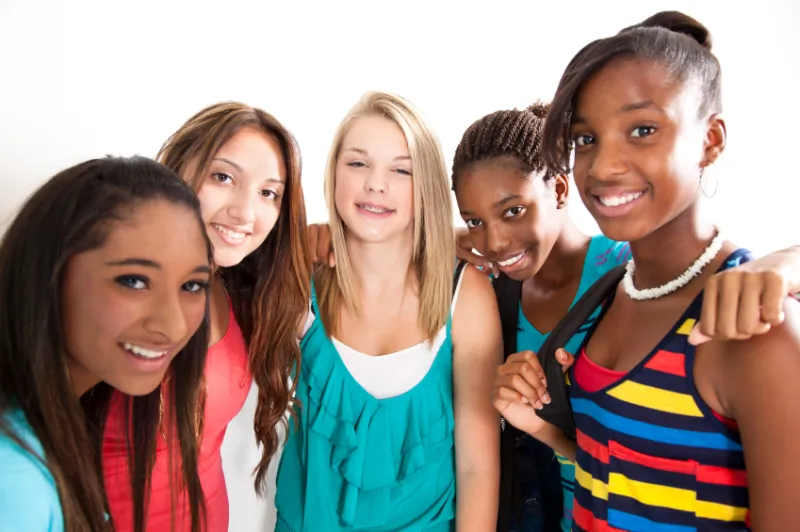
Photo: teen dancers learning choreography in dance studio with phone on tripod filming, via newportmanners.com
Every teacher has the story now. A student walks in, phone already out, and asks whether the class can learn "that one" — the routine from a fifteen-second clip that's been sitting in everyone's feed for a week.
And the teacher goes home, watches it eleven times at half speed, and figures out how to teach a thing that was designed to be watched rather than danced.
That's been the quiet labor of the last few years in US studios. Viral choreography is arguably the best recruitment tool the dance world has ever had, and it's also a format with a whole set of built-in gaps. The instructors who handle it well aren't the ones who ban the trends or the ones who build a whole curriculum around them. They're the ones who treat the clip as a doorway and do the work on the other side.
The clip is not the dance
Start with what a fifteen-second video actually contains. It's a hook — usually eight counts, sometimes four — chosen because it reads instantly on a small screen. It's been edited to the audio, which may itself be sped up, pitch-shifted, or cut from a longer song. It's shot from an angle that flatters the choreography. And it shows the result, not the mechanics.
What it doesn't show: the weight shift that makes the turn work, the breath timing, the preparation counts that got cut in the edit, the transition into and out of the phrase, or the warm-up that made it safe to do on a hard floor.
"There's no information in the clip about how you get there," says Deja Whitfield, who teaches commercial and hip-hop classes in Columbus. "So if you teach it as-is, you're teaching an outcome. The students can hit the pose, but they can't tell you why they're balanced."
What to keep, and keep honestly
The hook itself, first of all. It's why people showed up, and pretending otherwise reads as condescending. Keep the swagger, keep the musical accents, keep the specific moment that made the choreographer's version catch fire.
What to change:
- Tempo. Teach at half speed before anything else. If the choreography only works at full throttle, that's a sign the class hasn't learned it yet.
- Risky vocabulary. Drops, floor spins, and knee work that made sense on a sprung studio floor or in a padded shoot don't always translate to a Tuesday night class on tile. Swap them, or teach a controlled version.
- The edit. Count the actual music, not the cut. If the audio was clipped from a longer track, use the full song and let students hear where the phrase sits inside it.
- The bridge. The viral eight-count stays; the teacher writes four to eight counts on either side of it, built from the same style vocabulary. That's the difference between a clip and a combination.
The warm-up is where the technique hides
Here's the move that separates a good trend class from a party trick: pull the warm-up directly from the routine's demands. If the choreography is heavy on isolations, spend eight minutes on ribs and neck. If it's got a fast direction change, drill the footwork pattern slow with no arms. If it's grounded and low, get the ankles and hips ready before anyone drops.
That way the technique work isn't a lecture bolted onto the fun part. It's baked into the hour, and students absorb it while they're invested.
A class structure that holds up
Most instructors who do this regularly land on something close to the following for a sixty-minute session:
- Warm-up built from the vocabulary (10 minutes).
- Rhythm pass (5). Clap the counts, count out loud, find the pockets in the track rather than the edit.
- The hook, at half tempo (10). Camera stays in the bag.
- Mechanics (10). Pick exactly two technical points — one for the feet, one for the upper body. Two, not seven.
- Build the bridge (10). Add the teacher-written counts around the viral phrase.
- Run it (10). Full section, full tempo, no filming.
- Film once (5). At the end, one take, and it's for the students, not for the studio's feed.
Filming last matters more than it sounds. Record the first run and the class spends the rest of the hour dancing for a lens. Record the last and they spend it dancing for each other.
Credit is part of technique
There's a cultural point buried in all this. The choreographer who made the clip is a working artist, often an independent one, and the routine traveled a long way from its original context to your studio's front room. Name them in class. Say "this is inspired by" rather than implying it's yours. If you post student footage, tag the source and get permission from the dancers on camera — especially if the room is full of teenagers.
Students notice when a teacher treats credit as non-negotiable. It teaches them how to move through the dance internet without being a jerk about it, which is its own kind of training.
How you know it worked
Not by views. Watch whether the trend crowd comes back to the technique class. Listen for questions about the underlying style — where the groove comes from, who else dances like that, what the move is actually called. Notice whether anyone asks to run it again without the music, which is the most reliable sign you've built dancers instead of rehearse-and-post performers.
The clip got them in the door. Everything after the first eight-count is yours.